
After an Accident: How the Insurance Claims Process Unfolds

An automobile accident can turn an ordinary day into a sequence of unfamiliar decisions. Drivers may need to address injuries, document damage, exchange information, arrange transportation, and communicate with an insurer while still processing what happened.

Knowing the general structure of a claim can reduce confusion. Although procedures differ by insurer, coverage type, and applicable requirements, most claims follow a recognizable progression from initial reporting to a final determination.

First, Establish Safety

The immediate priority after an accident is the safety of everyone involved. Drivers should check for injuries, contact emergency services when necessary, and follow instructions from appropriate authorities. Vehicles should be moved only when it is safe and lawful to do so.

Once immediate hazards have been addressed, the parties can exchange relevant contact and vehicle information. Photographs of vehicle positions, visible damage, road conditions, and relevant surroundings may help preserve details that could otherwise be forgotten.

Drivers should avoid making assumptions about fault or the final cost of damage at the scene. Early observations are useful, but responsibility and coverage may require additional investigation.

Reporting Creates the Initial Record

A claim usually begins when the insurer is notified of an incident. The report commonly includes the date, time, location, vehicles involved, a description of events, and any known injuries or property damage.

Accurate information matters. Conflicting details, missing documents, or delayed communication can complicate the assessment. Drivers should provide factual descriptions and distinguish what they directly observed from what they believe may have happened.

The insurer may request photographs, a police report where applicable, witness details, repair estimates, or additional documentation. Requirements depend on the circumstances and the policy.

Investigation and Coverage Review

After receiving the report, the insurer reviews the available evidence and determines how the policy may apply. This process can involve examining statements, assessing vehicle damage, reviewing relevant records, and evaluating liability.

Coverage and fault are related but distinct questions. A claim may involve an investigation into responsibility while the insurer separately determines which policy provisions apply to the reported loss.

The presence of an insurance policy does not automatically establish that a particular expense is covered. Exclusions, limits, deductibles, reporting requirements, and other contractual conditions can influence the outcome.

Damage Assessment and Repairs

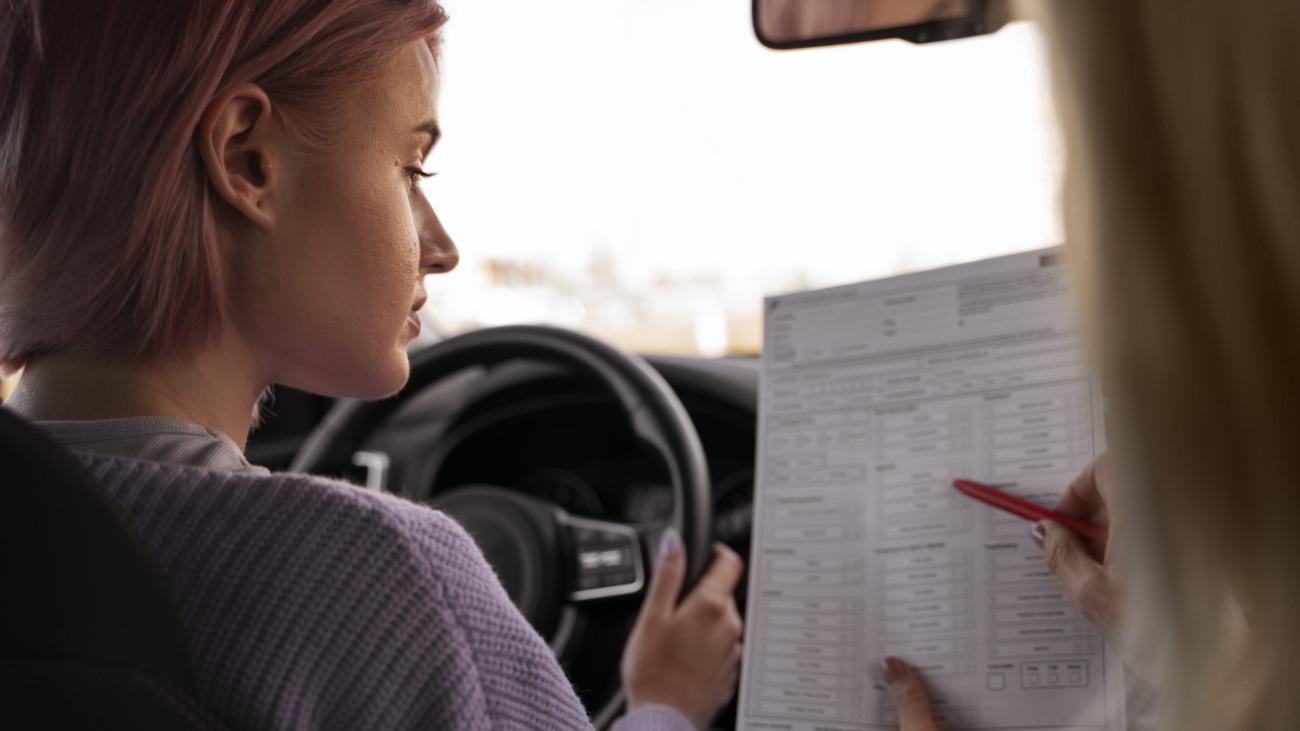
Vehicle damage may be assessed through photographs, an inspection, a repair facility’s estimate, or other approved methods. In some cases, additional damage becomes visible only after repairs begin, requiring a supplemental assessment.

When a vehicle is considered a total loss, the settlement process may differ from an ordinary repair claim. The insurer typically evaluates the vehicle’s value under the applicable policy and rules, then accounts for relevant contractual terms and any required adjustments.

Drivers should keep copies of estimates, invoices, receipts, and communications. Organized records make it easier to understand decisions and identify unresolved questions.

Settlement Is Not Always the Final Practical Step

A claim may conclude with payment, an approved repair arrangement, a denial, or another outcome permitted by the policy. Some claims take longer because injuries require ongoing evaluation, liability remains disputed, or additional evidence is needed.

If a decision is unclear, the policyholder can request an explanation of the relevant provisions and the information used to reach the determination. Disagreements may be addressed through the insurer’s review process or other procedures available under applicable rules.

A claim is not merely paperwork. It is a structured assessment of an event, the evidence surrounding it, and the financial responsibilities defined by an insurance contract. Preparation, accurate documentation, and clear communication can make that process more manageable.


Electric Cars, New Repairs, and the Evolving Cost of Protection

Electric vehicles have introduced a different set of engineering considerations to the automotive industry. Their electric drivetrains, high-voltage systems, battery packs, and specialized electronic components create both new opportunities and new challenges for vehicle maintenance and insurance.

Although many principles of auto insurance remain the same, the technology beneath the vehicle can influence repair procedures, claim assessments, and the financial consequences of an accident.

Battery Packs and Vehicle Structure

An electric vehicle’s battery pack is often a major component of its overall construction. Depending on the design, the battery may be integrated into the vehicle’s floor or structural architecture.

This arrangement can contribute to vehicle rigidity and efficient use of interior space. It can also make certain types of damage more complicated to evaluate.

A collision that appears relatively minor from the outside may require specialized inspection to determine whether battery components, protective housings, cooling systems, or high-voltage connections have been affected.

Battery damage should not be judged solely by visible exterior signs. Qualified technicians must follow the appropriate inspection procedures and manufacturer requirements.

Specialized Repair Skills and Equipment

Working on electric vehicles may require additional training, protective equipment, diagnostic tools, and procedures for isolating high-voltage systems. Not every repair facility has the same capabilities.

After an accident, the availability of suitable technicians and replacement components can influence how quickly repairs proceed. Calibration of cameras, sensors, and other electronic systems may also be necessary when affected components are replaced or repositioned.

These requirements can increase repair complexity even when the visible damage seems limited.

Understanding Battery-Related Risks

Lithium-ion batteries store significant amounts of energy. Severe physical damage, manufacturing defects, or certain electrical failures can create a risk of overheating or thermal runaway.

Thermal runaway is a chain reaction in which a battery cell generates heat faster than it can dissipate it. In some circumstances, this can spread to neighboring cells and create a fire hazard.

Battery safety systems are designed to manage electrical and thermal conditions, but no system eliminates every possible failure. Following manufacturer instructions, responding appropriately to warning indicators, and avoiding unauthorized repairs are important parts of responsible ownership.

How Insurance May Respond

Insurers may consider vehicle value, repair costs, safety systems, theft exposure, claims history, and other factors when assessing electric vehicles. Battery-related expenses can be significant, but actual claim outcomes depend on the nature of the damage and the applicable policy.

A policyholder should not assume that every battery problem is treated identically. Damage caused by a covered collision may be handled differently from mechanical deterioration, a manufacturing defect, or a problem excluded under the contract.

Some policies or vehicle programs may contain additional provisions relevant to charging equipment, battery arrangements, or specialized repairs. The precise terms require review rather than assumption.

Charging Equipment and Everyday Use

Home charging equipment introduces another aspect of electric vehicle ownership. Drivers may need to understand the distinction between damage to the vehicle itself and damage to charging equipment or property around it.

Coverage for a wall-mounted charger, portable charging cable, or other equipment may depend on how the equipment is classified and where it is installed. Vehicle insurance does not automatically cover every item associated with electric mobility.

A Different Technology, the Same Need for Clarity

Electric vehicles are not simply conventional cars with different engines. Their components, repair methods, and safety considerations require a broader understanding of automotive risk.

For drivers, the practical priorities remain familiar: maintain the vehicle, understand its technical requirements, keep accurate records, and review insurance terms carefully. As electric mobility develops, informed decisions will depend on recognizing both the advantages of new technology and the responsibilities that accompany it.

Your Smartphone and Your Car Are Becoming One System

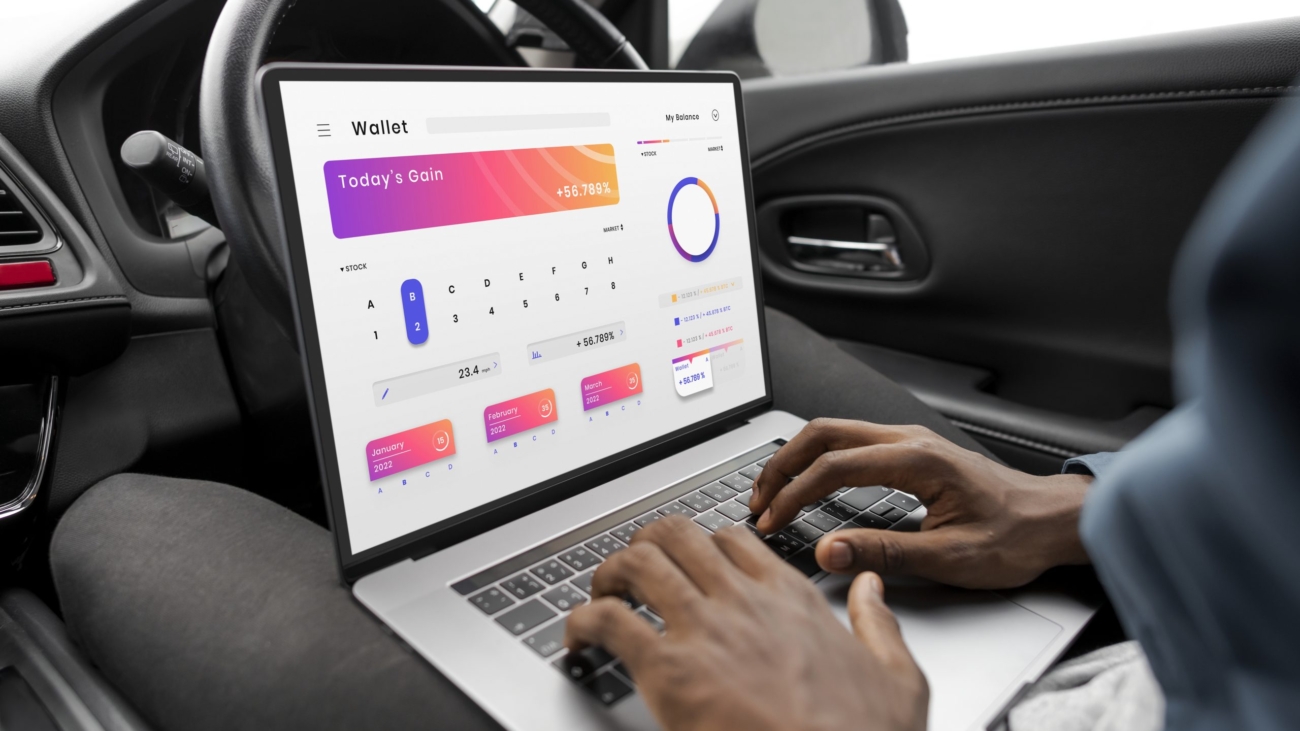
The boundary between a personal vehicle and a digital device is becoming less distinct. Smartphone applications can display vehicle status, support navigation, manage selected functions, and connect drivers with maintenance information. In compatible vehicles, digital keys may even allow a phone to replace a conventional key fob.

These features can make everyday vehicle use more convenient, but they also introduce new questions about security, compatibility, and dependence on digital services.

What Connected-Car Applications Can Do

Depending on the vehicle and manufacturer, an application may allow drivers to check fuel or battery levels, locate a parked vehicle, lock doors remotely, or view maintenance notifications.

Some systems provide remote climate control, allowing the cabin to be prepared before a journey. Electric vehicle applications may also display charging progress, estimated range, or charging schedules.

The available functions differ substantially between models. Some require a subscription or an active data connection, while others depend on specific hardware installed in the vehicle.

Drivers should understand which functions are supported rather than assuming that every connected vehicle offers the same capabilities.

Digital Keys Change Access

A digital key can use technologies such as near-field communication, Bluetooth, or compatible ultra-wideband systems to communicate with a vehicle.

Depending on the design, a driver may unlock the car by bringing a phone near the door or may be able to leave the phone in a pocket while the vehicle detects its presence.

Digital access can also support controlled sharing. A vehicle owner may be able to authorize another person to use a digital key without physically handing over a conventional key.

However, these systems require appropriate security measures. Devices should be protected with strong authentication, and access permissions should be reviewed when a shared vehicle arrangement ends.

Navigation Is Becoming More Context-Aware

Modern navigation systems may combine map information with live traffic data, estimated journey times, road restrictions, and charging locations.

Some systems can adjust routes when conditions change. Electric vehicle navigation may also estimate energy consumption and suggest charging stops based on the route and vehicle characteristics.

These predictions are useful, but they are not infallible. Traffic conditions can change quickly, map information may be incomplete, and a charging station may be unavailable when a driver arrives.

Drivers should use navigation as a decision-support tool rather than allowing it to override road signs, closures, or direct observations.

Connectivity Creates Cybersecurity Risks

A connected vehicle may communicate with mobile devices, cloud platforms, wireless networks, and external service providers. Each connection creates a potential point of vulnerability if systems are not designed and maintained appropriately.

Risks can include unauthorized account access, exposure of personal information, misuse of digital keys, or manipulation of connected services.

Drivers can reduce some risks by installing legitimate software updates, protecting associated accounts, enabling multifactor authentication where available, and avoiding suspicious applications or accessories.

Vehicle manufacturers also have an important role in securing communication systems and addressing vulnerabilities throughout a vehicle’s supported service life.

Who Controls Vehicle Data?

Connected services can generate information about driving patterns, vehicle usage, location, charging behavior, and system performance. The way this information is collected and processed depends on the service and its terms.

Drivers should review privacy settings and understand which features require location access or other permissions. They may also wish to examine how information is retained, whether it can be shared, and how account data can be managed when a vehicle changes ownership.

Convenience should not require an absence of transparency.

Technology Should Simplify the Journey

The most effective connected-car features reduce unnecessary effort without distracting the driver. Remote vehicle checks, useful maintenance reminders, secure digital access, and reliable navigation can support a smoother ownership experience.

At the same time, essential functions should remain understandable when connectivity is interrupted. A driver should know what happens if a phone battery dies, an application becomes unavailable, or a digital service experiences an outage.

As vehicles become more connected, digital literacy becomes part of responsible driving. Understanding both the convenience and the limitations of connected technology helps drivers benefit from innovation without depending on it blindly.

The Small Habits That Shape a Driver’s Risk Profile

Driving risk is rarely determined by one dramatic decision alone. More often, it develops through a pattern of ordinary behaviors repeated over weeks, months, and years. Following too closely, checking a notification at a traffic light, accelerating aggressively, or driving while exhausted may seem like isolated moments. Together, however, these behaviors can influence the likelihood and severity of road incidents.

Understanding this connection provides a useful perspective on vehicle safety and the factors insurers may consider when evaluating risk.

Attention Is a Limited Resource

Operating a vehicle requires continuous information processing. Drivers must observe surrounding traffic, interpret road signs, anticipate the movements of other road users, and respond to changing conditions.

Distractions interfere with these tasks by dividing attention. Visual distractions take the eyes away from the road, manual distractions remove the hands from driving controls, and cognitive distractions occupy mental attention. A single activity can involve more than one type of distraction.

Using a phone while driving is a particularly clear example. Even a brief glance can cause a driver to miss a pedestrian entering a crossing or a vehicle slowing ahead. Hands-free communication may reduce manual and visual demands, but it does not eliminate cognitive distraction.

Developing a consistent habit of putting notifications aside before driving helps reduce unnecessary interruptions.

Speed Changes the Consequences of Mistakes

Speed affects both stopping distance and the energy involved in a collision. When a vehicle travels faster, it covers more ground before the driver can react. Once braking begins, the distance needed to stop also depends on factors such as tire condition, road surface, weather, and braking performance.

Higher speeds can increase the severity of an impact. Even when a collision cannot be avoided, reducing speed may help limit its consequences.

Safe driving therefore involves more than observing posted speed limits. Drivers must also adjust their pace to visibility, traffic density, road geometry, and available stopping distance.

Following Distance and Predictability

Maintaining adequate space around a vehicle gives the driver more time to respond to unexpected changes. A vehicle traveling too closely behind another has less room to brake smoothly when traffic slows.

Predictable behavior matters as well. Signaling before turns, checking blind spots, avoiding sudden lane changes, and allowing other road users to anticipate movements all contribute to a more orderly driving environment.

These habits are especially important in dense traffic, where several small errors can quickly combine into a dangerous situation.

Fatigue Is More Than Feeling Sleepy

Fatigue can slow reaction time, reduce concentration, and impair judgment. Drivers may underestimate its effects because tiredness develops gradually. Long journeys, irregular sleep schedules, and extended periods behind the wheel can all contribute to reduced alertness.

Opening a window or increasing the audio volume does not reliably restore the attention needed for safe driving. When drowsiness becomes noticeable, stopping in a safe place and resting is the more responsible response.

Why These Habits Matter for Insurance

Insurers may assess driving history, reported incidents, claims experience, vehicle characteristics, and other permitted rating factors when determining premiums. The exact factors and their significance vary by insurer and applicable rules.

Responsible habits cannot guarantee a particular insurance outcome, and even careful drivers may experience accidents caused by circumstances outside their control. Nevertheless, reducing preventable risks supports a broader goal: protecting people, vehicles, and financial stability.

A driver’s risk profile is not simply a label attached to a person. It reflects a changing combination of experience, circumstances, vehicle use, and behavior. Consistent attention to everyday decisions remains one of the most practical ways to improve road safety.

The Car Is Becoming a Computer on Wheels

The modern automobile is no longer defined solely by its engine, transmission, and mechanical components. Software now influences how vehicles accelerate, manage energy, detect obstacles, display information, and communicate with drivers. What once served as a collection of independent mechanical systems is increasingly becoming an interconnected digital platform.

This transformation is changing not only how vehicles are engineered but also how people experience driving. A dashboard can receive software updates, a vehicle can monitor its own systems, and driver-assistance technologies can interpret information from cameras and sensors in fractions of a second.

Software Is Moving Into the Driver’s Seat

Electronic control units have long managed essential functions such as engine operation, braking, and stability control. Newer vehicle architectures increasingly integrate these functions through more centralized computing systems.

This approach can simplify communication between components and make certain software improvements easier to implement. Instead of replacing an entire physical component to introduce a new capability, manufacturers may sometimes deliver changes through software.

However, software-defined vehicles require careful development and testing. A software error can affect functions that drivers depend on, making reliability, cybersecurity, and compatibility important engineering priorities.

The Dashboard Is Becoming an Information Center

Traditional instrument panels focused on a small number of essential readings. Modern interiors may combine digital instrument clusters, central touchscreens, voice controls, navigation displays, and connected entertainment systems.

These interfaces can provide useful information, but they also introduce a design challenge. Every additional notification or menu creates another potential source of distraction.

Good automotive interface design should prioritize essential information, use clear visual hierarchy, and minimize the number of steps required to complete common tasks. Drivers should not need to search through several screens to adjust a basic setting while moving.

Voice interaction and steering-wheel controls can reduce some manual demands, although they do not eliminate the cognitive distraction associated with complex tasks.

Updates Without a Workshop Visit

Over-the-air software updates allow compatible vehicles to receive certain improvements through a wireless connection. Depending on the manufacturer and vehicle architecture, updates may address infotainment functions, navigation data, system performance, or selected electronic features.

Not every component can be updated remotely, and some repairs still require physical inspection or specialized equipment. Software updates also need appropriate safeguards to prevent interruptions, incompatibility, or unauthorized modifications.

Drivers should follow manufacturer instructions and understand when a vehicle must remain parked during an update.

Connectivity Creates New Responsibilities

Connected vehicles can exchange information with mobile applications, cloud services, charging networks, and other digital platforms. These capabilities may support remote diagnostics, vehicle-status monitoring, and personalized settings.

At the same time, connectivity raises questions about personal information. Vehicle data may reveal travel patterns, usage habits, and other details that owners may not expect to share.

Understanding privacy settings, account permissions, and data-sharing practices is becoming part of responsible vehicle ownership.

The Balance Between Innovation and Simplicity

Digital technology can make vehicles more capable, but additional complexity does not automatically create a better driving experience. A system is valuable when it works reliably, communicates clearly, and supports the driver’s actual needs.

The next stage of automotive development will depend on integrating software without losing sight of the fundamentals: predictable vehicle behavior, intuitive controls, dependable performance, and safety.

The car of the future may resemble a sophisticated computer, but its most important job will remain unchanged. It must transport people reliably while helping them stay informed, attentive, and in control.

The Glove Compartment Audit: Records Every Driver Should Understand

A vehicle’s paperwork rarely attracts attention during an ordinary journey. Registration documents, insurance records, service receipts, repair estimates, and ownership information tend to remain untouched until they are needed. Yet disorganized or outdated records can create unnecessary complications when a vehicle is damaged, sold, transferred, or involved in an insurance claim.

A simple documentation routine can make these situations easier to manage.

Start With the Essential Records

Drivers should know where to find the documents required for lawful vehicle operation and the information needed to contact their insurer. The exact requirements depend on applicable rules, but keeping relevant registration and insurance details accessible is a sensible starting point.

Digital copies can provide additional convenience, provided they are stored securely and accepted where they are intended to be used. Paper records may still be useful when a phone is unavailable, damaged, or unable to connect.

Sensitive information should not be left exposed in an unlocked vehicle or stored in an application without appropriate security.

Keep a Record of Vehicle Condition

Photographs taken periodically can help establish the general condition of a vehicle before damage occurs. Images may document existing scratches, dents, wheel condition, interior features, or other visible characteristics.

For a claim, dated photographs can help distinguish earlier damage from damage associated with a new incident. They are not definitive proof of every detail, but they may contribute useful context when combined with inspection reports and repair records.

Drivers should avoid altering original evidence when documenting damage. Keeping unedited copies and recording when the photographs were taken can preserve their usefulness.

Maintenance History Has More Than One Purpose

Service invoices and inspection records show how a vehicle has been maintained over time. These documents can help technicians identify recurring problems, confirm previous repairs, and understand whether a component has already been replaced.

Maintenance records may also be relevant when a mechanical issue is disputed or when a vehicle’s condition is evaluated during a sale.

However, maintenance documentation does not automatically establish that an insurance claim is covered. Coverage depends on the contract and the circumstances of the loss.

Organize Claim-Related Communication

When an incident occurs, the amount of paperwork can grow quickly. Insurer correspondence, claim reference numbers, photographs, repair estimates, invoices, and payment records should be kept together.

A digital folder can be organized by date and document type. File names that describe the contents are easier to search than generic labels such as “document final” or “photo two.”

It is also useful to record the date of important conversations, the name or department of the person contacted, and any agreed next steps. Written confirmation can reduce misunderstandings about deadlines or requested documents.

Review Information After Major Changes

Vehicle ownership and use can change. A new vehicle, a different primary driver, a changed parking arrangement, or a substantial shift in annual mileage may affect the information held by an insurer.

Drivers should review the relevant policy details after significant changes and correct inaccurate information through the appropriate channels. Keeping records current is more effective than trying to reconstruct details after a loss.

Privacy Matters, Too

Documentation should be organized without creating unnecessary exposure of personal information. Secure storage, strong account authentication, and careful sharing practices can reduce the risk of unauthorized access.

Records should be retained according to applicable requirements and practical needs, rather than kept indefinitely without purpose.

Good documentation is a quiet form of preparedness. It rarely attracts attention when everything is going smoothly, but it can provide clarity when questions arise. A few consistent habits can turn a collection of forgotten papers into a useful record of vehicle ownership and responsibility.

Why Good Drivers Still Make Mistakes: The Psychology of the Road

Many drivers consider themselves experienced, careful, and capable of reacting quickly. Yet experience does not eliminate human limitations. Familiarity can encourage complacency, confidence can lead to underestimated risks, and stress can narrow attention at precisely the wrong moment.

Understanding the psychology of driving helps explain why road safety depends not only on technical ability but also on awareness of how the mind responds to routine, pressure, and uncertainty.

Familiarity Can Reduce Attention

Driving a familiar route may require less conscious effort because many decisions have become habitual. This efficiency is useful, but it can also create a false sense of predictability.

A driver may expect a pedestrian crossing to be empty, assume that a vehicle will stop at an intersection, or overlook a temporary change in road conditions. When attention shifts away from the immediate environment, unexpected events become harder to recognize.

Deliberate scanning helps counter this tendency. Drivers can consciously check mirrors, monitor surrounding vehicles, and remain alert to changes even when the road feels routine.

Overconfidence Changes Decisions

Experience often improves hazard recognition, but it can also create overconfidence. A driver who has completed many journeys without an accident may begin to treat risky behavior as harmless.

Following too closely, driving slightly faster than conditions permit, or checking a message while moving can become normalized when previous attempts have not produced visible consequences.

This is a form of faulty reasoning: the absence of a previous accident does not prove that a behavior is safe. Risk accumulates through exposure to uncertain situations, and the consequences of a mistake may depend on factors beyond the driver’s control.

Stress and Emotional Distraction

Strong emotions can affect attention, patience, and judgment. Anger may encourage aggressive acceleration or confrontational responses to other drivers. Anxiety can make it difficult to process several sources of information at once. Personal worries may occupy mental resources needed for safe operation.

Recognizing these effects is an important first step. A driver who notices rising frustration can increase following distance, avoid unnecessary interactions, and choose a calmer pace.

When emotions become overwhelming, postponing a journey or stopping in a safe place may be the most responsible decision.

Time Pressure Creates Unnecessary Risk

Running late can encourage drivers to take shortcuts, accelerate aggressively, or accept smaller gaps in traffic. Yet the time gained through risky behavior is often limited, while the possible consequences are substantial.

Planning departure times realistically, allowing room for delays, and avoiding phone-based schedule checks while moving can reduce pressure.

A safer driving mindset treats arrival time as flexible rather than allowing a deadline to dictate every decision behind the wheel.

Group Behavior and Social Influence

Other drivers can influence behavior without direct interaction. When surrounding traffic moves quickly, an individual may feel pressure to match its speed. Aggressive gestures or repeated horn use can also trigger defensive reactions.

The safest response is not always to prove a point or force another driver to acknowledge a mistake. Creating space, maintaining predictable movement, and avoiding escalation help reduce exposure to unnecessary conflict.

From Awareness to Consistent Practice

Human factors are relevant to insurance because driving behavior can influence the likelihood and severity of incidents. Insurers may consider certain aspects of driving history or claims experience where permitted, but psychological characteristics are not automatically measured or treated uniformly.

No driver can eliminate every mistake or control every external hazard. The more realistic goal is to build routines that compensate for predictable human weaknesses.

That means staying attentive on familiar roads, recognizing emotional states, resisting time pressure, and treating uncertainty with respect. Safe driving is not a demonstration of perfect reflexes. It is the repeated practice of making reasonable decisions even when attention, confidence, or patience is being tested.

Beyond the Private Garage: How Transportation Habits Are Changing

For generations, owning a personal vehicle has been closely associated with independence and convenience. A car provides direct control over departure times, routes, storage space, and travel arrangements. Yet changing lifestyles, digital services, urban design, and new vehicle technologies are creating a broader range of transportation choices.

The future of mobility may not be defined by one dominant vehicle type. Instead, people may increasingly combine private ownership with shared vehicles, public transportation, cycling, walking, and other ways of completing a journey.

Ownership Is No Longer the Only Model

Traditional vehicle ownership gives the driver long-term control over a particular car. However, it also involves ongoing responsibilities, including maintenance, insurance, parking, registration, and eventual replacement.

Car-sharing services provide temporary access to vehicles without requiring each user to own one. Depending on the arrangement, a vehicle may be reserved for a short journey or used for a longer period.

Subscription models introduce another approach, potentially combining vehicle access and selected services under a recurring agreement. The terms, included services, and responsibilities vary considerably.

These alternatives are not automatically more suitable than ownership. Their usefulness depends on availability, usage patterns, vehicle access, and the practical needs of the individual.

Mobility Applications Connect Different Services

Digital platforms increasingly help people plan journeys across multiple transportation modes. An application may combine navigation, public transit information, vehicle reservations, parking details, or payment functions.

This can reduce the effort involved in organizing a journey, particularly when a single trip requires several forms of transport.

However, integrated mobility depends on reliable information and coordination between providers. Incorrect arrival estimates, unavailable vehicles, service interruptions, or incompatible payment systems can complicate a journey.

Digital convenience is most effective when the underlying services operate reliably and provide clear information about delays, availability, and limitations.

The Changing Role of Vehicle Design

As mobility services develop, vehicle design may increasingly reflect specific use cases.

A privately owned family vehicle may prioritize comfort, cargo capacity, and flexible seating. A shared vehicle may place greater emphasis on durability, easy cleaning, and simple controls. A vehicle intended for frequent short trips may prioritize maneuverability and efficient use of interior space.

Electric drivetrains, compact platforms, and improved connectivity create additional design possibilities. Nevertheless, vehicle engineering must still account for structural integrity, passenger protection, accessibility, and practical operating requirements.

The most suitable design depends on the journey rather than on the assumption that every vehicle should perform every task equally well.

Automation May Reshape Access

Automated driving technology could eventually change how certain transportation services operate. In appropriate conditions, highly automated vehicles may support new models of passenger transport or vehicle sharing.

The extent of these changes depends on technological reliability, safety validation, regulation, infrastructure, and public acceptance. Automated operation in a controlled environment presents different challenges from unrestricted operation across varied roads and weather conditions.

It is therefore more useful to examine automation as a developing set of capabilities than to assume that fully driverless transportation will replace conventional vehicles everywhere.

Environmental Impact Depends on the Whole System

Transportation choices influence energy use, emissions, land requirements, and material consumption. Electric vehicles can reduce direct tailpipe emissions, while shared mobility may increase the utilization of individual vehicles.

However, environmental outcomes depend on several factors, including electricity generation, manufacturing processes, vehicle occupancy, journey length, and whether shared services replace private journeys or create additional travel.

A vehicle carrying one passenger and a vehicle carrying several passengers may have very different environmental impacts per person transported. Likewise, walking or cycling may be particularly efficient for suitable short journeys.

No single transportation mode is optimal for every distance, passenger, or circumstance.

Infrastructure Determines What Is Practical

Mobility options depend on the infrastructure available to support them. Charging networks, safe walking routes, bicycle facilities, accessible public transit, parking arrangements, and reliable road connections all influence how people travel.

Infrastructure also affects how well different transportation modes work together. Convenient connections can make it easier to combine a train journey with walking or a shared vehicle, while poor connections may encourage people to rely on private cars for the entire trip.

Technology alone cannot solve every mobility challenge. Planning, maintenance, accessibility, and coordination remain essential.

A More Flexible Transportation Future

The evolution of mobility does not necessarily mean the end of personal vehicle ownership. For many people, owning a car will remain the most practical option because of work requirements, family responsibilities, distance, or limited alternatives.

For others, combining several transportation modes may provide greater flexibility.

The broader trend is a shift toward evaluating transportation according to the journey itself. Rather than asking which single mode should meet every need, individuals and communities can consider how different options work together.

As vehicles, digital services, and infrastructure continue to evolve, mobility will become an increasingly interconnected system. Its success will depend on whether that system provides safe, reliable, accessible, and practical ways for people to reach their destinations.

Beyond the Basics: Understanding What Auto Insurance Actually Does

Auto insurance is often viewed as a document that drivers keep in a glove compartment and rarely think about until something goes wrong. In reality, it is a structured financial arrangement designed to address specific consequences of vehicle ownership and operation. Understanding how this arrangement works can make automotive responsibilities easier to manage and help drivers interpret the details that appear in insurance documents.

At its core, auto insurance involves an agreement between a policyholder and an insurer. The policyholder pays a premium, while the insurer agrees to handle certain covered losses according to the contract’s terms, conditions, limits, and exclusions. The exact scope of protection depends on the selected coverage and the circumstances surrounding an incident.

Different Types of Protection Serve Different Purposes

Auto insurance is not a single, universal product. It consists of several coverage categories, each addressing a different type of financial exposure.

Liability coverage generally concerns responsibility for injuries or property damage caused to others in an incident for which the insured driver is legally responsible. Collision coverage, when included, addresses qualifying damage to the insured vehicle resulting from a collision with another vehicle or object. Comprehensive coverage typically applies to specified non-collision events, such as theft, vandalism, falling objects, or certain weather-related damage.

Other forms of protection may address medical expenses, uninsured or underinsured motorists, or financial obligations associated with a vehicle loan or lease. These categories are not interchangeable. Each has its own purpose, limitations, and conditions for payment.

Understanding these distinctions is more useful than simply recognizing familiar insurance terminology. Two policies may contain several of the same coverage names while providing different limits, deductibles, and contractual protections.

The Role of Deductibles and Limits

A deductible is the amount a policyholder generally pays toward a covered loss before the insurer contributes under the applicable coverage. A limit establishes the maximum amount the insurer will pay for a particular covered claim, subject to the policy’s terms.

These two elements influence how a policy responds when an incident occurs. A lower deductible may reduce the amount paid directly by the policyholder for a qualifying claim, while a higher deductible can increase that immediate responsibility. Coverage limits determine the extent of the insurer’s financial obligation.

For example, a vehicle may sustain substantial damage in an accident, but the amount payable depends on the applicable coverage, deductible, valuation method, and contractual provisions. The existence of insurance does not automatically mean every expense will be reimbursed in full.

Reading a Policy as a Complete Agreement

A policy should be understood as a complete contract rather than a collection of isolated coverage labels. Declarations pages summarize important details, but exclusions and conditions can significantly affect how the agreement operates.

Drivers benefit from reviewing who is insured, which vehicles are listed, how the vehicle is used, and what circumstances may affect coverage. Changes in vehicle ownership, household driving arrangements, or regular vehicle use can also make a policy review necessary.

Insurance terminology may appear technical, but its purpose is practical: to define responsibilities before a loss occurs. The better drivers understand these definitions, the easier it becomes to recognize what their insurance is designed to address and where their financial responsibilities remain.